


Editorial Board
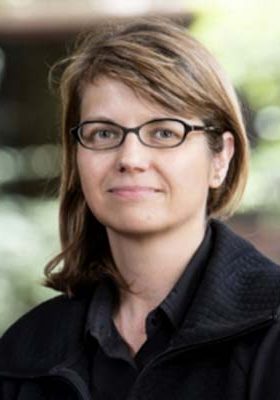
Rebecca Seal, PhD - BOARD CHAIR
Professor in the Departments of Neurobiology and Otolaryngology, and the Pittsburgh Center for Pain Research at the University of Pittsburgh School of Medicine, Pennsylvania, US.
Dr. Seal’s laboratory investigates spinal pain circuits using chemogenetics, proteomics, single cell biology, and spatial transcriptomics in rodent and non-human primates and is developing novel therapeutics to treat intractable pain.
Editor: Basic Papers of the Week, PRF
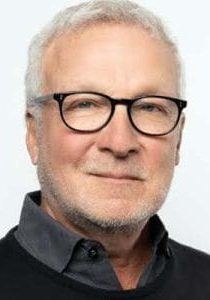
Allan Basbaum, PhD, FRS
Professor and Chair of the Department of Anatomy at the University of California, San Francisco, US.
Dr. Basbaum has served as a leader in the field of pain research, making countless contributions to the understanding of pain through his research and mentorship. From 2003-2012, Dr. Basbaum served as the Editor-in-Chief of PAIN. His current research examines the mechanisms through which tissue and nerve injury produce changes in the peripheral and central nervous system, resulting in persistent pain. In parallel studies, his lab is examining the circuits through which pruritogens generate itch. His lab has now also turned its attention to cortical pain processing mechanisms, using calcium imaging in awake mice.
Editor: Basic Papers of the Week, PRF

Staja "Star" Booker, PhD, RN
Assistant Professor of Nursing at the University of Florida, US.
Dr. Booker's research focuses on pain disparities, using mixed methods to understand the lived experience of older African Americans with persistent pain. Her research laboratory phenotypes movement-evoked pain by identifying biopsychosocial-behavioral predictors in older Black Americans and White Americans. Her work is innovative and essential to enhance the health of minority populations by conducting translational and cutting-edge interdisciplinary research, investigating social and behavioral contributions to pain and disability in later life.
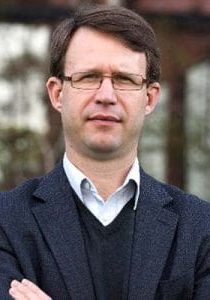
Pablo R. Brumovsky, MD, PhD
Associate Professor in the Institute of Research in Translational Medicine, CONICET-Austral University, Buenos Aires, Argentina.
Dr. Brumovsky is Associate Dean and Director of the PhD program in the Faculty of Biomedical Sciences (FCB) at Austral University. His research is focused on understanding the role of non-neuronal cells and their participation in the mechanisms of chronic pain, exploring ways to harness their endogenous potential to heal pain, and the development of new and translatable therapies based on such knowledge. He is co-founder of the Argentinean start-up Immunalgia Therapeutics and has recently been awarded the 2024 Award for Excellence in Pain Research and Management in Developing Countries.
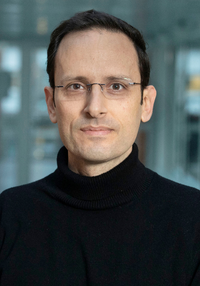
Daniel Ciampi de Andrade, MD, PhD, doc.med.
Associate Professor, Center for Neuroplasticity and Pain, Department of Health Science and Technology, Faculty of Medicine, Aalborg University, Denmark.
Daniel Ciampi de Andrade is a clinical neurologist dedicated to improving the assessment, understanding the mechanisms, and developing more effective management strategies for symptoms of neurological diseases, with a major focus on pain. He coordinated one of Latin America´s largest pain centers in Sao Paulo, Brazil for more than 15 years, and is currently Associate Professor at the Center for Neuroplasticity and Pain, Aalborg University, Denmark. He serves as Vice Chair for Research at the European Federation for IASP Chapters (EFIC), is a Section Editor for the European Journal of Pain, and is an active Associate Reviewer for PAIN and PAIN Reports. Further details can be found here: https://vbn.aau.dk/da/persons/dca.
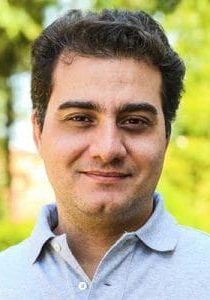
Thiago Cunha, PhD
Professor in the Department of Pharmacology and in the Center for Research in Inflammatory Diseases (CRID) at the University of Sao Paulo, Ribeirao Preto, Brazil.
Dr. Cunha is the past Vice President of the Brazilian Society of Pharmacology and Experimental Therapeutics. Thiago has worked to understand neuroimmune interactions involved in the development of pathological inflammatory and neuropathic pain, including the pronociceptive role of cytokines/chemokines and complement system. Based on these studies, his lab is also developing novel therapeutic drugs based on CXCR1/2 and C5aR1 allosteric antagonism
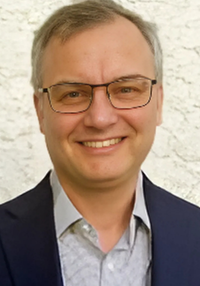
Steve Davidson, PhD
Associate Professor of Molecular Pathobiology at New York University.
Steve earned a PhD in neuroscience at the University of Minnesota where he studied spinothalamic tract neurons in monkeys finding their termination sites in the thalamus and discovering a non-histaminergic CNS pathway for itch. At Washington University in St. Louis, he completed postdoctoral training learning patch clamp electrophysiology and recovery techniques for dorsal root ganglia from human organ donors. Steve was then hired as Assistant Professor at the University of Cincinnati and started a lab investigating thalamo-cortical circuits in multiple dimensions of pain and establishing the molecular, genetic, and physiological properties of human sensory neurons. Steve is now Associate Professor of Molecular Pathobiology and Associate Director of the New York University Pain Research Center where he runs a laboratory focused on human tissue recovery for pain neurobiology research.

Franziska Denk, DPhil
Associate Professor at King's College London, UK.
Franziska and her team work on neuro-immune-stromal cell interactions in the context of chronic pain. The lab uses transgenic models, stem cell derived human cell culture systems and high-throughput molecular analyses. Franziska has received funding from the Wellcome Trust, the MRC, the European Union, industry and several charities. Her group is passionate about data sharing and interdisciplinary research in an open, positive research culture. You can follow Franziska on Bluesky: @denklab.bsky.social
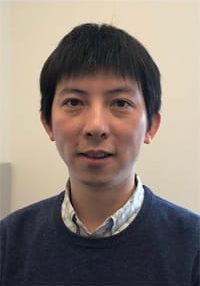
Bo Duan, PhD
Associate Professor Department of Molecular, Cellular, and Developmental Biology, University of Michigan, US.
Dr. Duan studies how the nervous system detects and processes somatosensory information, including pain, itch, temperature, and touch. His laboratory uses mouse genetics, neuroanatomical tracing, electrophysiology, in vivo imaging, and behavioral approaches to investigate the neural circuits that underlie sensory perception and behavior. His research has uncovered fundamental cellular and circuit mechanisms of somatosensory processing and their roles in health and disease. Through this work, he aims to advance our understanding of somatosensory processing and identify new therapeutic strategies for chronic pain, itch, and related sensory disorders.

David Finn, PhD
Professor of Pharmacology & Therapeutics and Co-Director of the Centre for Pain Research, University of Galway, Ireland.
Dr. Finn's research focuses on the affective and cognitive dimensions of pain, stress-pain interactions, and neuroinflammatory processes, with an emphasis on the endocannabinoid system. He graduated with a BSc in Biotechnology from University of Galway and a PhD in Neuroscience from University of Bristol. He is Past-President of the International Cannabinoid Research Society (ICRS) and of the Irish Pain Society, and was a member of the Task Forces for Cannabis, Cannabinoids and Chronic Pain of both the International Association for the Study of Pain (IASP) and the European Pain Federation (EFIC). He is a member of the EFIC Working Groups for Translational Pain Research and European Pain Research Strategy and the IASP Task Force for Use of Animals in Pain Research. Dr. Finn is a member of the Editorial Boards of multiple international scientific journals including Pain, and also a member of the Scientific Programme Committees for the IASP 2026 and 2024 World Pain Congresses, NeuPSIG 2025, EFIC 2022, and he sits on the EFIC Council. He has published over 195 peer-reviewed journal papers and book chapters and frequently lectures at international conferences.
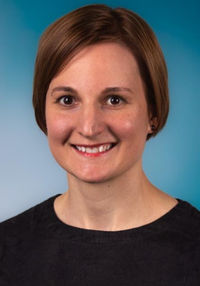
Wendy Gaultney, PhD
Assistant Professor, Department of Anesthesiology, University of Colorado Anschutz Medical School, USA.
Dr. Wendy Gaultney is a pediatric pain psychologist at Children’s Hospital of Colorado. She also practices pain psychology with youth in Alaska. Her research and clinical interests include chronic pain prevention in youth and promoting equity in pain research and treatment. Dr. Gaultney also has lived experienced with chronic pain and is committed to engaging patient partners in research and clinical program development.
Board Lead, Persons with Lived Experience Engagement.
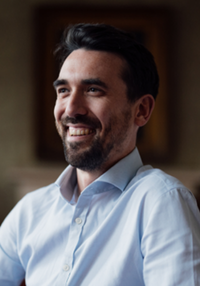
Sam Hughes, PhD
Senior Lecturer in Pain Neuroscience at the University of Exeter, UK.
Dr. Sam Hughes is a Senior Lecturer in Pain Neuroscience at the University of Exeter and leads the Exeter Pain Lab. His research focuses on understanding endogenous analgesic mechanisms, with a particular interest in descending pain modulation systems and exploring how exposure to natural environments can shape the experience of chronic pain. Dr Hughes is also actively involved in public engagement, including founding the Brainwaves and Birdsong initiative to communicate the science of nature and pain.
Editor: Clinical Papers of the Week, PRF

Rajesh Khanna, PhD
Professor at University of Florida, US.
Rajesh Khanna, PhD, is an ion channel biologist and pain scientist. He earned his PhD in Physiology from the University of Toronto, building on a strong foundation with an MSc in Pharmacology and a BSc in Toxicology. Following postdoctoral training at UCLA and the Toronto Western Research Institute, he launched his academic career at Indiana University School of Medicine, where he established a research program in pain. After transferring to University of Arizona, he co-founded Regulonix LLC and was inducted as a Senior Member of the National Academy of Inventor. As a passionate mentor and educator, Dr. Khanna has received the Outstanding UBRP Faculty Mentor Award and the College of Medicine Faculty Mentoring Award. As faculty in the NYU College of Dentistry, he led a basic science lab and directed the NYU Pain Research Center. He now directs the Center for Advanced Pain Therapeutics and Research (CAPToR) at the University of Florida, Gainesville, where his cutting-edge research focuses on pain chronification and on the development of pain and addiction therapeutics.

Hui Yen Ling, MClinPsych
Clinical Psychologist, Psycle Consultancy and Training, Malaysia.
Yen Ling is a clinical psychologist with a special interest in pain management. Her commitment to pain management began during her clinical training at the pain management clinic of Selayang Hospital, Malaysia. Upon completing her postgraduate studies, she has continued to work closely in an interdisciplinary team in Selayang Hospital to help individuals with chronic pain increase their functioning and quality of life through a biopsychosocial approach. Yen Ling is also a sessional psychologist at the pain management clinic of General Hospital Kuala Lumpur, Malaysia. In addition to her clinical work, Yen Ling is a sessional teaching associate, contributing to the education of undergraduate psychology students. Her long-term goal is to promote a biopsychosocial approach in working with chronic pain patients to reduce suffering and improve their quality of life.
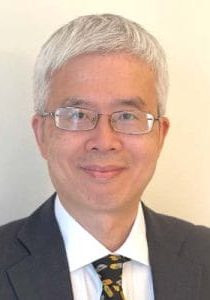
Qiufu Ma, PhD
Professor at Westlake University, China.
Dr. Ma has been contributing to the field of pain research for over 30 years with his work on the somatosensory system: first on neural development, then on spinal circuit mapping, and recently on the neuroanatomical basis behind acupuncture practice. He has been arguing an anatomical and functional subdivision of the somatosensory system (see PRF Interview here). His acupuncture work aims to mobilize self-healing pathways to modulate the root of diseases - such as inflammation - which drives redundant pain pathways.
Editor: Basic Papers of the Week, PRF
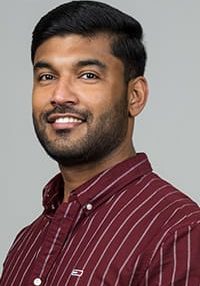
Jerin Mathew, PhD
Lecturer in Clinical Anatomy and Neuroscientist at the University of Otago, New Zealand.
Dr. Mathew is a physiotherapist by training and a neuroscientist with a special interest in chronic pain and neuromodulation research. His primary research focuses on understanding the ‘brain-pain’ mechanisms underlying chronic musculoskeletal pain and improving clinical outcomes through non-invasive neuromodulation, particularly Brain-Computer Interface interventions. He supervises postgraduate research students across Anatomy, Medicine, and Neuroscience, drawing on his interdisciplinary expertise. He is a principal investigator for various interdisciplinary research programs, including the Otago Pain Mechanisms and Neuromodulation (OPaMEN) Research Programme and Point-of-Care Technologies at the University of Otago. In addition to his research, Dr. Mathew is a dedicated educator. He teaches across a range of health professional programs, including Medicine, Physiotherapy, Postgraduate Surgical Anatomy and the Postgraduate Pain and Pain Management Programmes at the University of Otago.
Editor: Clinical Papers of the Week, PRF

Sasikaan Nimmaanrat, MD, MMed
Associate Professor of Anesthesiology at the Faculty of Medicine, Prince of Songkla University, Thailand.
Dr. Sasikaan Nimmaanrat is a leader in pain management and maintaining high quality healthcare, currently serving on the Hospital Executive Board, as Vice Director of the Hospital Quality Assurance Center, and as Head of the Pain Quality Network. She earned her medical degree from Prince of Songkla University and completed her anesthesiology residency at the Siriraj Hospital at Mahidol University. She later pursued advanced training in pain management at the University of Sydney, where she completed a Master of Medicine and a clinical fellowship at the Pain Management Research Institute. From 2020 to 2024, she served as Assistant Dean for Quality Development. She was also President of the Thai Association for the Study of Pain (TASP) in 2023 and 2024. Dr. Nimmaanrat is recognized for her commitment to improving pain care and advancing healthcare quality across Thailand.
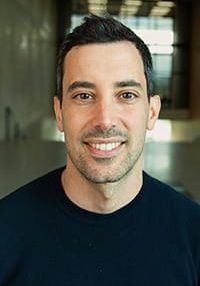
Lanfranco Pellesi, MD, PhD
Assistant Professor at the University of Southern Denmark.
Dr. Pellesi couples human provocation models of headache (spanning migraine and cluster headache) with sensory neurons derived from human stem cells to clarify disease mechanisms and accelerate therapy development. Current projects involve sex‑specific factors in migraine and the contribution of histamine to cluster headache.
Editor: Clinical Papers of the Week, PRF
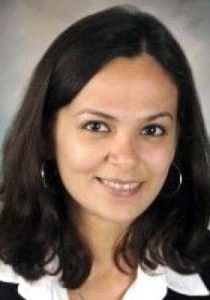
Shivani Ruparel, PhD
Associate Professor and Director of Research in the Department of Endodontics at the University of Texas Health San Antonio (UTHSCSA), US.
Dr. Ruparel‘s early work in pain research focused on pain neuropharmacology and biochemistry. Her independent research program, started in 2012, focuses on cancer and pain. She also obtained her M.S. degree in clinical investigation at UTHSCSA. Her research program focuses on peripheral mechanisms of oral tumorigenesis, oral cancer-induced pain, and pain associated with cancer treatment. Her group is the first in the country to develop tongue-nerve single fiber electrophysiology to test trigeminal nerve discharges.
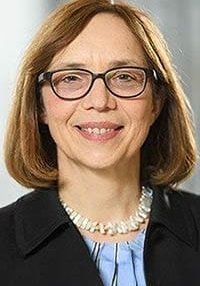
Heike Rittner, MD
Professor of Anesthesiology, Intensive Care, Emergency and Pain Medicine, University of Würtzburg.
As Chair of Pain Medicine and Head of the Center for Interdisciplinary Pain Medicine at the University Hospital of Würzburg, Dr. Rittner lead a nationally recognized program delivering comprehensive acute, ambulatory, outpatient, inpatient, and pediatric pain care. Dr. Rittner's research focuses on mechanisms of inflammatory and neuropathic pain and their resolution. Her group integrates advanced preclinical models, in vivo and in vitro methodologies in rodents and drosophila, and patient deep phenotyping and biomaterial analyses including human DRGs to dissect pain pathways. As scientific coordinator of the German Research Foundation-funded Clinical Research Unit KFO5001 “ResolvePAIN,” She also oversee clinical studies in CRPS, chronic postsurgical pain, and plexus injury, and examine neuroimmune interactions, presynaptic plasticity and neuronal barriers. Dr. Rittner actively engages in international research collaborations and participate in IASP as Head of the CRPS-SIG and editorial work. Since 2025, she has served as vice dean advancing both translational research and academic training.
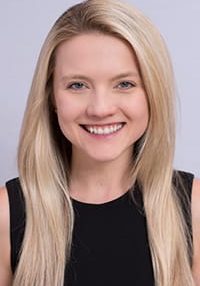
Caroline Sawicki, DDS, PhD
Assistant Professor in the Department of Pediatric Dentistry and Dental Public Health, University of North Carolina Adams School of Dentistry.
Dr. Caroline Sawicki is an Assistant Professor in the Department of Pediatric Dentistry and Dental Public Health at the University of North Carolina Adams School of Dentistry. She earned her DDS and PhD from The Ohio State University, where her NIH-funded doctoral research examined neuroimmune mechanisms of stress. She completed her pediatric dentistry residency and a postdoctoral fellowship in clinical-translational research at New York University. Dr. Sawicki’s current NIH-supported research investigates the mechanisms and multidimensional assessment of orofacial pain. In addition to her clinical expertise in pediatric dentistry, she is committed to advancing translational pain research to improve the assessment and treatment of orofacial pain in children and adolescents.
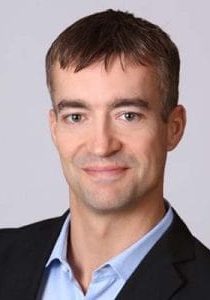
Grégory Scherrer, PharmD, PhD
Associate Professor at the University of North Carolina at Chapel Hill (UNC-CH) in the Departments of Cell Biology and Physiology, Pharmacology, and the UNC Neuroscience Center.
Dr. Scherrer’s laboratory investigates the organization of the neural circuits and the molecular mechanisms that underlie pain perception and opioid analgesia. His team studies the sensory, emotional, and cognitive dimensions of the pain experience, as well as both the analgesic and side effects of opioids, including addiction and respiratory depression. His laboratory uses molecular and cellular biology techniques, genetics and multi-omics, light and electron microscopy, neural circuit tracing, electrophysiology, recording and opto/chemogenetic modulation of neural activity, as well as behavioral assays. His long-term goal is to build on novel knowledge on the functional organization of pain neural circuits to develop innovative therapeutics to treat pain more effectively and safely.
Editor: Basic Papers of the Week
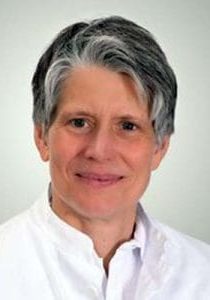
Petra Schweinhardt, MD, PhD
Head of Research of the Department of Chiropractic Medicine at the Balgrist University Hospital and the University of Zurich, Switzerland.
Dr. Schweinhardt's clinical research is focused on outcomes in patients with musculoskeletal pain treated by chiropractors and potential predictors of treatment outcome. In her experimental work, she investigates how sensitization in the central nervous system contributes to musculoskeletal pain. Methods she uses include psychophysics, kinematic modeling, and brain imaging. Petra’s prior research centered on cerebral pain processing and modulation as well as brain alterations in chronic pain patients.
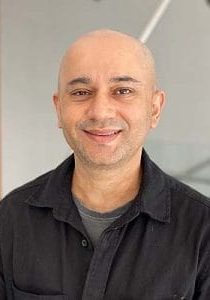
Saurab Sharma, PhD
Musculoskeletal physiotherapist from Nepal.
Dr. Sharma is an IASP John J. Bonica Postdoctoral Fellow researching pain at the University of New South Wales and the Neuroscience Research Australia (NeuRA), Sydney, Australia . He is an active member of the Global Alliance of Pain Patient Advocates Task Force and the Pain, Mind and Movement Special Interest Group of the IASP. He has contributed to the World Health Organization's initiative of developing Rehabilitation Intervention Packages for Osteoarthritis and is one of the commissioners for The Lancet Commission on Osteoarthritis.
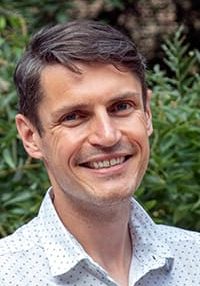
Ewan St John Smith, PhD
Professor of Nociception, Department of Pharmacology at the University of Cambridge, UK

Stephani Sutherland, PhD
Bloomberg School of Public Health, Johns Hopkins University; Scientific Writer [C], National Institutes of Health (NIH), US.
Dr. Sutherland is a neuroscientist, writer and science communicator. She has worked as a freelance writer and journalist since 2001, writing for publications including the Los Angeles Times, the Journal of Neuroscience, Scientific American, New Scientist and the Pain Research Forum. She currently works as Communications Director for the Acute to Chronic Pain Signatures (A2CPS) Consortium, an NIH Common Fund research project, and as a contract Scientific Writer for the NIH.

Jan Vollert, PhD
Department of Clinical and Biomedical Sciences, Faculty of Health and Life Sciences, University of Exeter, UK.
Dr. Vollert's research focuses on the application of statistical and computational models in pain research for establishing personalized pain medicine. He has conducted analyses of quantitative sensory testing data from patients suffering from neuropathic pain. He is a member IASP's Neuropathic Pain Special Interest Group (NeuPSIG) - where he works on public outreach - and the Placebo Special Interest Group.
PRF would like to thank previous members of its Editorial Board, whose contributions have helped to develop PRF since its inception.
- Lars Arendt-Nielsen, DMSc, PhD
- Fumimasa Amaya, MD, PhD
- David Bennett, MB, PhD
- Katie Birnie, PhD, RPsych
- M. Catherine Bushnell, PhD
- Mary Cardosa, MBBS
- Julie Christianson, PhD
- Marshall Devor, PhD
- Christopher Eccleston, PhD
- Dawn Ehde, PhD
- Howard Fields, MD, PhD
- Kathleen Foley, MD
- Sandrine Geranton, PhD
- Babita Ghai, MD
- Ru-Rong Ji, PhD
- Eija Kalso, MD, DMSc
- Hellen Kariuki, PhD
- Fusao Kato, MD, PhD
- Rohini Kuner, PhD
- Joseph Martin, MD, PhD
- Stephen McMahon, PhD
- Jeff Mogil, PhD
- Romy Parker, PhD
- Esther Pogatzki-Zahn, MD, PhD
- Frank Porreca, PhD
- Theodore Price, PhD
- Hans-Georg Schaible, MD
- Melanie Schaffler, PhD
- William Schmidt, PhD
- Stephan Schug, MD
- Reza Sharif-Naeini, PhD
- Claudia Sommer, MD
- Judith Turner, PhD
- Hiroshi Ueda, PhD
- Clifford Woolf, MD, PhD